

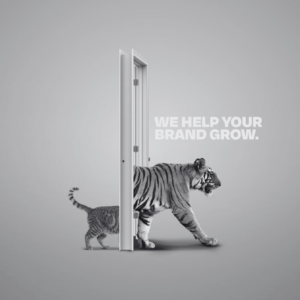



Launching a startup is exciting. Scaling it is challenging.
Many businesses focus heavily on product development and initial traction but overlook the systems required for sustainable growth. Early success often comes from momentum, personal networks, or limited campaigns. However, scaling requires structure, clarity, and long-term brand positioning.
A growth-ready brand is not built accidentally. It is built intentionally.
Clear Positioning Is the Foundation
Before scaling, a brand must define exactly where it stands in the market.
Startups often attempt to target everyone. While this may create short-term opportunities, it weakens positioning. A growth-ready brand understands:
- Who its ideal customer is
- What specific problem it solves
- How it differentiates from competitors
- Why customers should choose it
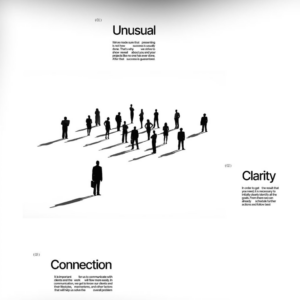
Clarity reduces confusion. When positioning is sharp, marketing becomes more efficient and conversion rates improve. Scaling without positioning leads to diluted messaging and inconsistent campaigns.
Building a Strong Brand Identity Early
Many startups delay professional branding until they “grow bigger.” This often creates problems later.
Inconsistent visuals, unclear messaging, and scattered communication make it harder to build trust. As the company expands, rebranding becomes more complex and expensive.
A growth-ready brand establishes:
- A cohesive visual identity
- Defined tone of voice
- Core brand values
- Clear messaging guidelines
When identity is structured early, every marketing effort reinforces the same perception. This consistency accelerates recognition and credibility.
Systems Over Short-Term Wins
Startups frequently rely on one or two channels that generate early traction. While this can drive quick results, it is not sustainable long term.
Scaling requires systems.
Instead of depending on isolated campaigns, growth-ready brands build:
- Structured marketing funnels
- Lead nurturing processes
- Automation workflows
- Data tracking frameworks
These systems create predictability. Rather than chasing new leads constantly, businesses develop repeatable processes that generate consistent outcomes.
Predictable growth reduces risk and increases investor confidence.
Performance Tracking and Optimization
Scaling without tracking is risky.
A growth-ready brand monitors key performance indicators (KPIs) across marketing, sales, and customer retention. Metrics such as customer acquisition cost (CAC), lifetime value (LTV), conversion rate, and retention rate guide strategic decisions.
Data reveals which channels deserve more investment and which need refinement. Without analytics, scaling becomes guesswork.
Optimization is continuous. As campaigns expand, adjustments ensure efficiency remains high.
Customer Experience as a Growth Driver
Acquiring customers is only part of scaling. Retaining them is equally important.
Growth-ready brands prioritize customer experience at every stage:
- Smooth onboarding
- Clear communication
- Reliable support
- Post-purchase engagement
Satisfied customers become repeat buyers and brand advocates. Word-of-mouth referrals often become a major growth channel during scale-up stages.
Strong customer experience reduces churn and increases lifetime value, making marketing investments more profitable.
Diversifying Acquisition Channels
Early-stage startups may depend heavily on one marketing channel — such as social media ads or referrals. However, scaling requires diversification.
A growth-ready brand explores multiple acquisition channels, including:
- Organic content marketing
- Paid advertising
- Email marketing
- Strategic partnerships
- SEO-driven traffic
Diversification reduces dependency on any single platform. Algorithm changes or rising ad costs have less impact when traffic sources are distributed.
Balanced acquisition strategies create resilience.
Internal Alignment and Team Structure
Scaling impacts internal operations as much as external marketing.
As teams grow, communication must remain aligned with brand values and objectives. Clear processes, defined roles, and collaborative workflows support expansion.
A growth-ready brand invests in:
- Documented brand guidelines
- Standard operating procedures
- Scalable project management systems
Operational efficiency ensures that growth does not compromise quality.
Financial Discipline During Expansion
Rapid scaling can strain resources.
Growth-ready brands expand responsibly, balancing marketing investments with sustainable revenue. Instead of increasing budgets impulsively, they test, validate, and scale gradually.
Structured financial planning protects long-term stability while supporting expansion efforts.
Evolving Without Losing Identity
As startups grow, their market presence evolves. However, evolution should not dilute identity.
Growth-ready brands adapt strategically while maintaining core values and positioning. Messaging may expand, products may diversify, and teams may grow — but the brand’s foundation remains consistent.
Consistency builds long-term equity. Equity strengthens market authority.
Preparing for Long-Term Sustainability
Scaling is not just about revenue growth. It is about building a business that can operate efficiently at higher volumes without losing clarity or control.
A growth-ready brand integrates strategy, branding, marketing, operations, and analytics into a cohesive framework. Every department aligns with shared objectives.
When systems are structured, positioning is clear, and customer experience is optimized, growth becomes manageable rather than chaotic.
The transition from startup to scale-up is less about speed and more about structure.
Businesses that prioritize strong foundations early scale with confidence. Those that ignore branding, systems, and strategy often struggle under the weight of expansion.
Sustainable growth is not driven by luck. It is built through clarity, consistency, and deliberate planning.